
What is a Sub-Slab Depressurization System?
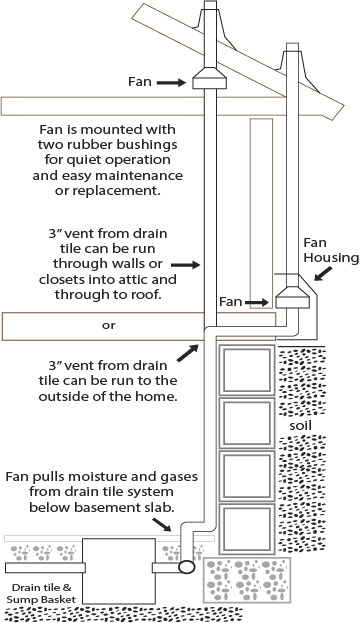
A sub-slab depressurization system is creates a vacuum beneath the foundation of your home. By installing a series of pipes and a fan, the system actively draws radon gas from beneath the slab and safely vents it outside.
Key Benefits of Sub-Slab Depressurization Systems
1. Reduces Radon Levels
By continuously drawing radon from beneath the home, the system significantly lowers indoor radon concentrations, providing a safer living environment.
2. Long-term, Cost-effective Solution
Some mitigation methods may require frequent maintenance or replacement, a sub-slab depressurization system offers a long-term solution.
3. Lowers Risk of Lung Cancer
Radon is the second leading cause of this disease, investing in a sub-slab depressurization system can have a significant positive impact on your health and that of your family.
4. Easy to Install and Maintain
Professional installers can typically set up the system with minimal disruption. Once in place, the system operates quietly and efficiently, requiring only occasional checks to ensure optimal performance.
5. Improves Overall Indoor Air Quality
In addition to reducing radon levels, sub-slab depressurization systems can enhance overall indoor air quality by reducing other soil gasses that may seep into your home.
Contact Standard Water for a free consultation.
Sub-Slab Depressurization System FAQs
How Much Does a Sub-Slab Depressurization System Cost?
The cost of a sub-slab depressurization system varies based on the size and layout of the home, the number of suction points required, the condition of the foundation, pipe routing, and electrical requirements. A typical residential system can range from several hundred to several thousand dollars, with more complex installations costing more. A professional radon mitigation assessment is the best way to determine which system your home needs and provide an accurate estimate.
How Do I Know if My Sub-Slab Depressurization System Is Working?
An active sub-slab depressurization system typically has a warning device or pressure gauge that allows you to check whether the system is operating within its expected range. You should also verify that the fan is running and have the home’s radon levels tested after installation. EPA recommends retesting at least every two years to confirm that radon levels remain low. If the warning device indicates a problem or the fan stops operating, contact a qualified radon professional for an evaluation.
Does a Sub-Slab Depressurization System Need to Run All the Time?
Yes. An active sub-slab depressurization system is designed to operate continuously so it can maintain negative pressure beneath the slab and prevent radon-containing soil gas from entering the home. The fan should not be routinely turned off or operated at a lower setting unless instructed by a qualified professional. If the fan stops or the system’s warning device indicates a problem, have the system inspected.
Should You Test for Radon After Installing a Mitigation System?
Yes. Testing after installation is an important way to verify that the mitigation system has successfully reduced radon levels. EPA recommends a post-mitigation test within 30 days of installation, with the test beginning no sooner than 24 hours after an active system has been operating. EPA also recommends retesting the home at least every two years to make sure radon levels remain low.