Radon mitigation is the process of reducing radon gas in buildings or homes. Radon mitigation systems are extremely effective—in fact, they can reduce radon levels in homes and buildings up to 99%.
Serving Minnesota and Wisconsin Since 1977

Radon Mitigation in MN & WI
More than two in five Minnesota homes have radon levels high enough to pose a real health risk, and the average radon level across the state runs more than three times the national average. You can’t see it, smell it, or feel it, which is why a home with a serious radon problem can go years without anyone knowing. The only way to find out is to test, and if your levels come back high, Standard Water Control can bring them down.
We’ve been mitigating radon for Minnesota and Wisconsin homeowners since 1977. Our crews are certified through the National Radon Proficiency Program, and our work is backed by a warranty: we’ll reduce your home’s radon to a safe level, or we’ll come back and adjust the system until we do. Request a free radon test kit or a free mitigation proposal to get started.
More than two in five Minnesota homes have radon levels high enough to pose a real health risk, and the average radon level across the state runs more than three times the national average. You can’t see it, smell it, or feel it, which is why a home with a serious radon problem can go years without anyone knowing. The only way to find out is to test, and if your levels come back high, Standard Water Control can bring them down.
We’ve been mitigating radon for Minnesota and Wisconsin homeowners since 1977. Our crews are certified through the National Radon Proficiency Program, and our work is backed by a warranty: we’ll reduce your home’s radon to a safe level, or we’ll come back and adjust the system until we do. Request a free radon test kit or a free mitigation proposal to get started.
What Is Radon?
Radon is a radioactive gas that forms underground as uranium and radium break down in the soil and rock beneath your home. It’s colorless and odorless, and because soil is porous, it rises and works its way indoors through whatever openings it can find: cracks in a concrete slab, the joint where the floor meets the wall, an open sump pit, the exposed ground in a crawl space. Once it’s inside, it can build to concentrations far higher than anything in the outside air.
Once inhaled, radon decays into tiny radioactive particles that lodge in lung tissue, and over years of exposure that damage can develop into lung cancer. The EPA estimates radon causes about 21,000 lung cancer deaths in the United States each year, and for people who have never smoked, it’s the leading cause of lung cancer.
Radon gives you nothing to react to. There’s no smell, no irritation, no symptom that signals it’s in the air. A house with dangerous levels looks and feels identical to one with none, which is exactly why testing is the only way to know where yours stands. Both the EPA and the Minnesota Department of Health recommend testing every home, regardless of age, location, or foundation type.
Radon Mitigation Service Request
Standard Water is the Twin Cities’ premiere radon specialist. Complete the following form and one of our three certified radon teams will be in touch to discuss pricing and installation.
Radon Testing
A radon test is inexpensive, takes only a few days, and most homeowners can run one without hiring anyone. You set a short-term kit on the lowest level of the home you actually use, a finished basement or a ground-floor living area, leave it undisturbed for two to seven days with the windows and exterior doors kept closed, then mail it to a lab for results. If you’d rather not handle it yourself, or you’re testing as part of a home sale, a licensed measurement professional can do it for you.
Winter is the best time to test in Minnesota. Homes stay sealed and heated through the cold months, which is when radon concentrates indoors, so a heating-season reading shows you closer to your home’s worst case than a summer one would. MDH recommends starting with a short-term test, retesting every two to five years, and testing again any time you finish a basement, add insulation, replace windows, or change your heating and cooling system, since any of those can shift how air and soil gas move through the house.
The number that matters is 4.0 pCi/L. At or above it, the EPA and MDH both recommend installing a mitigation system; between 2 and 4, it’s worth considering. Standard Water provides a free radon test kit to homeowners across the Twin Cities and western Wisconsin, so finding out where your home stands costs nothing but a few days’ wait. Request your free test kit and we’ll get one out to you.
How a Radon Mitigation System Works
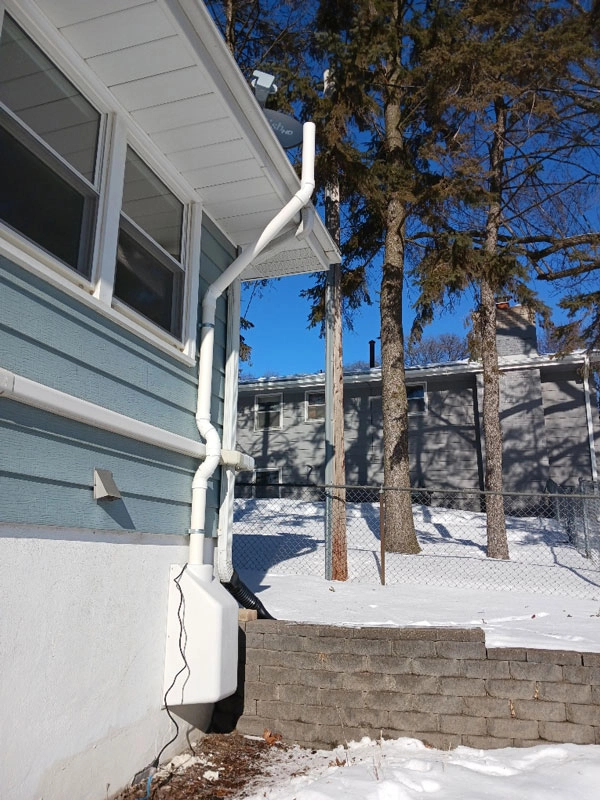
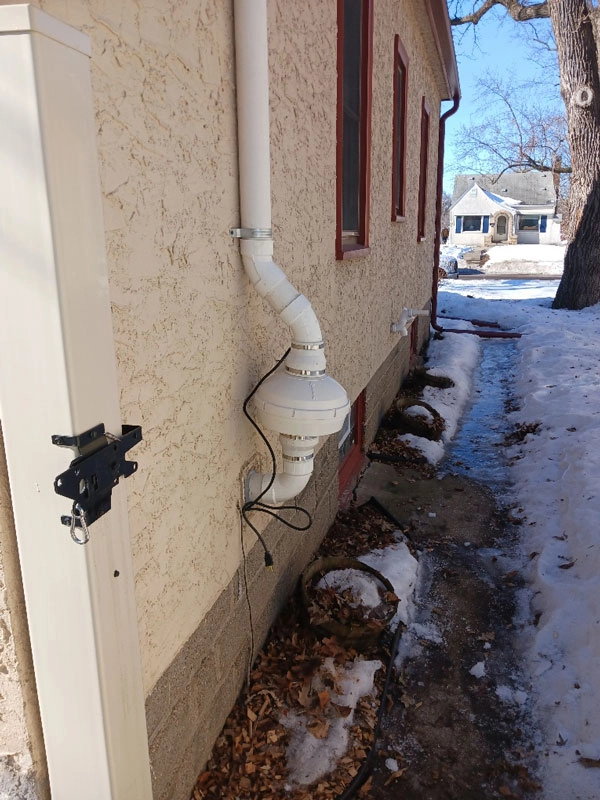
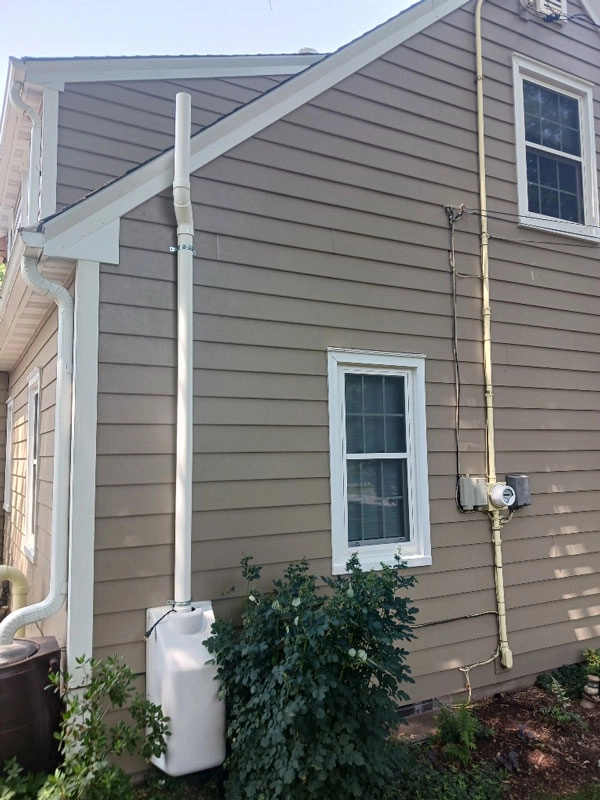
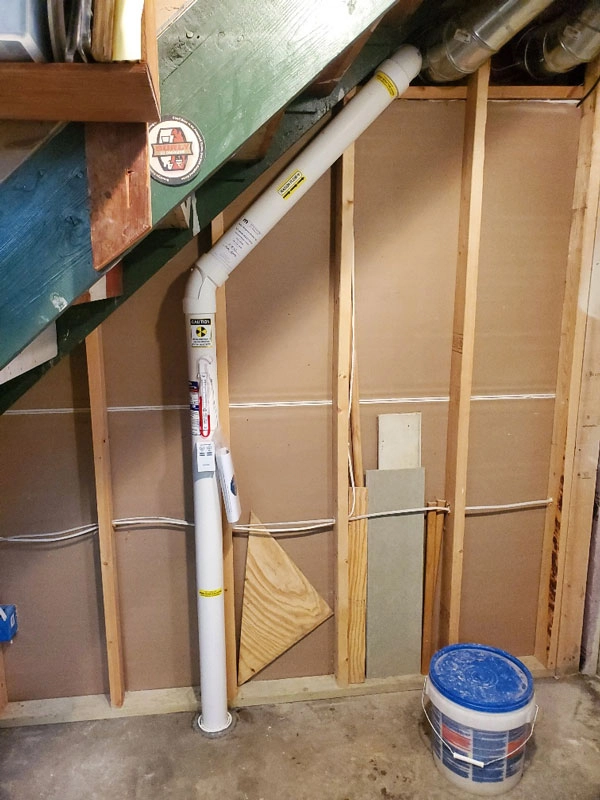
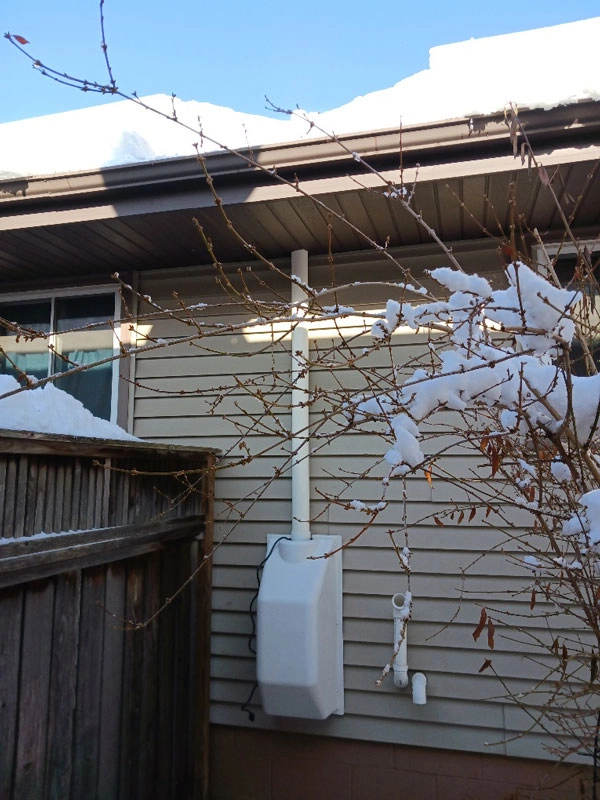
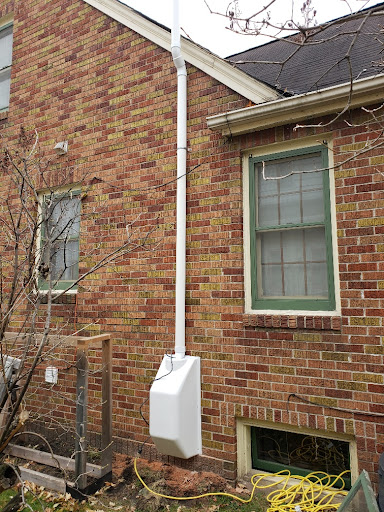
A radon mitigation system works on two fronts. First, the openings where soil gas enters, such as slab cracks, the floor-wall joint, and gaps around a sump pit, are sealed so radon has fewer ways in. Then the system captures the radon before it reaches your living space. The most common and most effective method is sub-slab depressurization: a suction point is cut through the basement floor, and a continuously running fan draws soil gas out from under the foundation and sends it up a pipe that vents above the roofline, where it disperses outside. Pulling that air out from beneath the slab reverses the pressure that had been drawing radon up into the house.
The right design depends on how your home is built:
- Basement and slab-on-grade homes are usually handled with sub-slab suction, where the pipe draws directly from beneath the foundation. These foundations are common across Minnesota, and the method is well suited to them.
- Homes with a crawl space call for a sub-membrane system instead. A sealed plastic sheet is laid over the exposed dirt floor and run up the walls, and the pipe pulls soil gas from beneath that barrier before it can rise into the home.
Sealing and venting pull moisture and other soil gases out along with the radon, which often leaves a basement feeling drier than it did before. A properly designed system brings radon below the EPA action level of 4.0 pCi/L, and a well-built one can hold year-round levels under 2.0. Because the right configuration depends on your foundation and how air moves through the house, the system should be designed and installed by a certified radon professional.
NRPP-Certified Radon Mitigation in Minnesota and Wisconsin
Standard Water Control has been installing radon systems for Minnesota and Wisconsin homeowners since 1977, and every system is installed by crews certified through the National Radon Proficiency Program. NRPP certification means we design and install to the standards and state codes that govern radon work, so the system that goes into your home is sized and placed correctly the first time. We run three certified radon teams out of our Crystal location, serving Minneapolis, St. Paul, and western Wisconsin.
Our warranty is specific and in writing. After installation, you retest your home within 30 days, and we guarantee your radon level comes back under 4.0 pCi/L. If it doesn’t, we return and adjust the system at no cost until it does. Most installations are finished in a single day, and we pull any permits the job requires before we start.
If your test came back high, the next step is a plan built for your home. Schedule a free radon mitigation proposal and one of our certified teams will walk your home, lay out the system, and give you a written estimate.
What Radon Mitigation Costs and What to Expect
Most radon mitigation systems in the Twin Cities run between $1,000 and $2,500. Where your home falls in that range comes down to its size, the foundation type, and how complex the system needs to be, since a larger home or a layout that needs more than one suction point takes more material and labor.
From the first test to a working system, the process is straightforward:
- Test. Start with a radon test to find out whether your home is above the 4.0 pCi/L action level. If you need a kit, we’ll send one free.
- Get your estimate. Request a proposal and we’ll assess your home, recommend the right system, and quote the job, including any permits it requires.
- Schedule the install. Most systems go in within a single day, with little disruption to your routine.
- Retest. Test again within 30 days to confirm the system worked, backed by our guarantee of levels under 4.0 pCi/L.
- Retest periodically. Radon levels can shift over time, so test again every couple of years to confirm the system is still holding.
Every estimate is free, and you get the full price in writing before any work begins, so there are no surprises once the crew arrives.
Get Started With Radon Mitigation
If you haven’t tested yet, request a free radon test kit and find out where your home stands. If your results already came back high, request a free proposal and we’ll design a system for your home. Either way, we’ll be in touch, and it costs nothing to find out what your home needs.
CONTACT USOur Work
SEEKING MORE INFORMATION ON RADON CONTROL?
It’s important to be well-informed about radon control, mitigation, and sub-slab depressurization. Learn more from the EPA or contact Standard Water with any questions you may have!
Download Brochure