Serving Minnesota and Wisconsin Since 1977

Mold Remediation in Minnesota & Wisconsin

A mold problem doesn’t resolve with a surface wipe-down. Remediation means locating every area mold has spread to, containing those areas so spores don’t travel further during the work, removing it with EPA-approved treatments, and confirming through post-remediation air quality testing that the space is actually clear. Standard Water Control has handled that process for Minnesota and Wisconsin homeowners since 1977.

40yearsBadge

A mold problem doesn’t resolve with a surface wipe-down. Remediation means locating every area mold has spread to, containing those areas so spores don’t travel further during the work, removing it with EPA-approved treatments, and confirming through post-remediation air quality testing that the space is actually clear. Standard Water Control has handled that process for Minnesota and Wisconsin homeowners since 1977.

What Mold Is and Why It Shows Up

Mold is a fungus that spreads through microscopic spores already present in nearly every home, dormant until conditions favor them. Enough moisture paired with an organic food source like drywall paper, wood framing, or dust gives spores what they need to start colonizing, in as little as a day or two under the right conditions. A mold problem rarely traces back to one event. It builds from dampness a home has been sitting in for weeks.

That moisture can come from a slow leak behind a wall, groundwater pushing through a foundation crack, or humidity alone building up in a space with poor airflow. A flood isn’t required. Elevated humidity that’s persisted for a few weeks is enough on its own to create the conditions mold needs.

Growth shows up as black, green, or white discoloration on walls, ceilings, or other surfaces, paired with a musty or damp odor that doesn’t go away with cleaning. Once established, it doesn’t stay where it started. It spreads across whatever organic material it touches, weakening drywall and wood framing while pushing spores into the air the rest of the house breathes.

Our Mold Remediation Services

1. Mold Inspection and Testing

Every job starts with an inspection to identify the type and extent of mold growth in the home. Testing and visual inspection pinpoint the problem areas and show how far the contamination has spread. That assessment sets the scope of the remediation plan before any work begins.

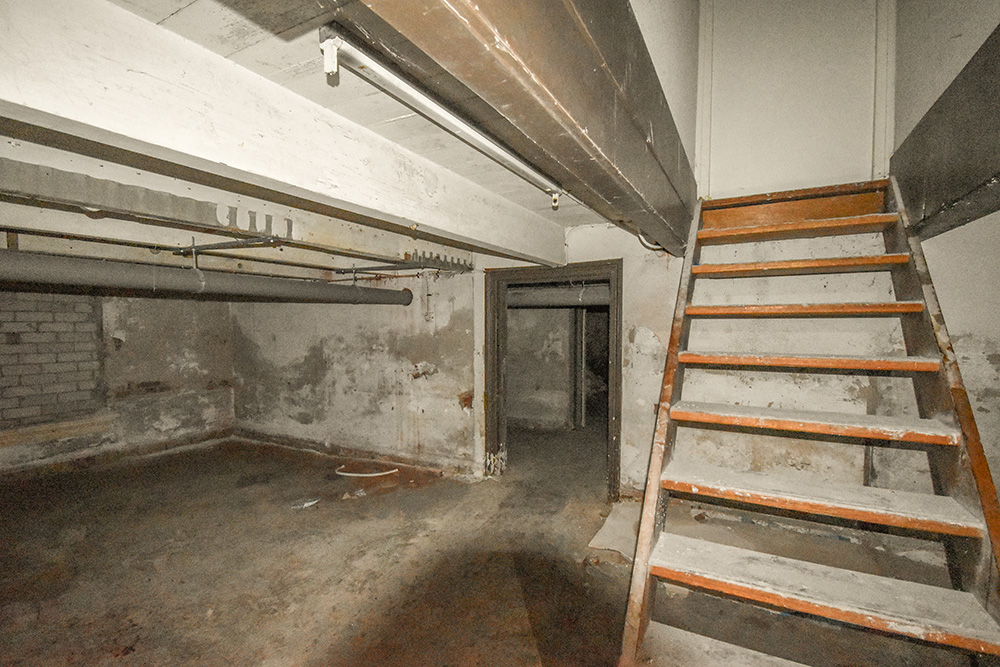
A stained basement wall, but is this mold?

2. Mold Removal and Remediation

Containment comes first, sealing off the affected area so spores can’t spread through the rest of the home. Crews then remove the mold using specialized equipment and EPA-approved cleaning products. Surfaces are cleaned and restored once the mold itself is gone.

3. Moisture Control Services

Conditions that grew mold once will grow it again if nothing changes. Basement waterproofing, foundation repair, and dehumidifiers each address a different source of moisture, and the inspection findings determine which one actually fits the home. Matching the right service to the real cause is what keeps mold from coming back.

4. Post-Remediation Testing

Remediation doesn’t end when the visible mold is gone. Post-remediation air quality testing confirms the space meets safety standards before the job is called finished. Documentation of the results goes to the homeowner to keep on file.

Why Choose Standard Water Control Systems

Standard Water Control has served Minnesota and Wisconsin homeowners since 1977, backed by an A+ BBB rating held since 1990 and licensing in both states. Basement waterproofing systems carry a transferable limited lifetime warranty, and mold remediation gets the same commitment to long-term results, not a one-time fix. Crews bring the same field experience the rest of the company runs on, with foremen typically holding 20+ years in the trade.

Schedule a Free Mold Consultation

Mold remediation starts with an inspection, not a guess based on a smell or a stain. Standard Water Control offers a free, no-obligation consultation to assess the affected area and lay out exactly what removal and moisture control would involve for your home.

Schedule your free consultation or give us a call at 763-587-4849.

Black mold build up in the corner of an old house.

Frequently Asked Questions About Mold Remediation

What are the signs of mold in a home or building?

Common signs of mold include:

  • A musty or damp odor.
  • Visible mold growth on walls, ceilings, or other surfaces.
  • Discoloration or stains, often black, green, or white.
  • Persistent water damage or wet spots.
  • Increased allergy or respiratory symptoms among occupants (e.g., sneezing, coughing, or itchy eyes).

How does mold remediation work?

The mold remediation process involves several key steps:

  1. Inspection and testing to identify the extent and type of mold.
  2. Containment of the affected areas to prevent mold spread.
  3. Removal of mold using specialized equipment and EPA-approved cleaning products.
  4. Addressing the source of moisture to prevent future growth.
  5. Post-remediation air quality testing to ensure safety.

Is mold dangerous to health?

Yes, mold can pose health risks, especially to individuals with allergies, asthma, or weakened immune systems. Prolonged exposure to mold can result in symptoms like respiratory irritation, sinus congestion, skin rashes, and more severe issues in extreme cases.

How long does the mold removal process take?

The duration depends on the severity of the mold infestation and the size of the affected area. Smaller projects may be completed within 1-2 days, while larger remediation efforts can take several days to a week or more.

What measures can homeowners take to prevent mold growth?

  • Fix leaks promptly, whether from the roof, plumbing, or windows.
  • Ensure proper ventilation in areas prone to moisture, like bathrooms and kitchens.
  • Use dehumidifiers in damp environments to maintain indoor humidity levels below 60%.
  • Regularly inspect areas like basements, crawlspaces, and attics.
  • Clean and dry any surfaces exposed to water within 24-48 hours.

Are there different types of mold, and do they differ in terms of remediation?

Yes, there are various mold types, including black mold, white mold, and green mold. The remediation process may differ depending on the type and severity. However, the primary steps—inspection, containment, removal, and prevention—remain consistent.

Is mold remediation covered by insurance?

Coverage depends on your specific insurance policy. Typically, mold resulting from sudden, covered incidents (like water damage from a pipe burst) may be covered. However, mold caused by long-term neglect is often excluded. We recommend consulting your insurance provider for details.

How do I know if my home is safe after mold remediation?

After remediation, we perform post-remediation air quality testing to ensure the mold has been completely removed and that the indoor environment meets safety standards. We provide documentation confirming the safety of your property.