
If you own a home with a crawl space, then you have likely heard of crawl space waterproofing and encapsulation. But what exactly are they, why should you waterproof your crawl space? Here are the basics of how to waterproof a crawl space.
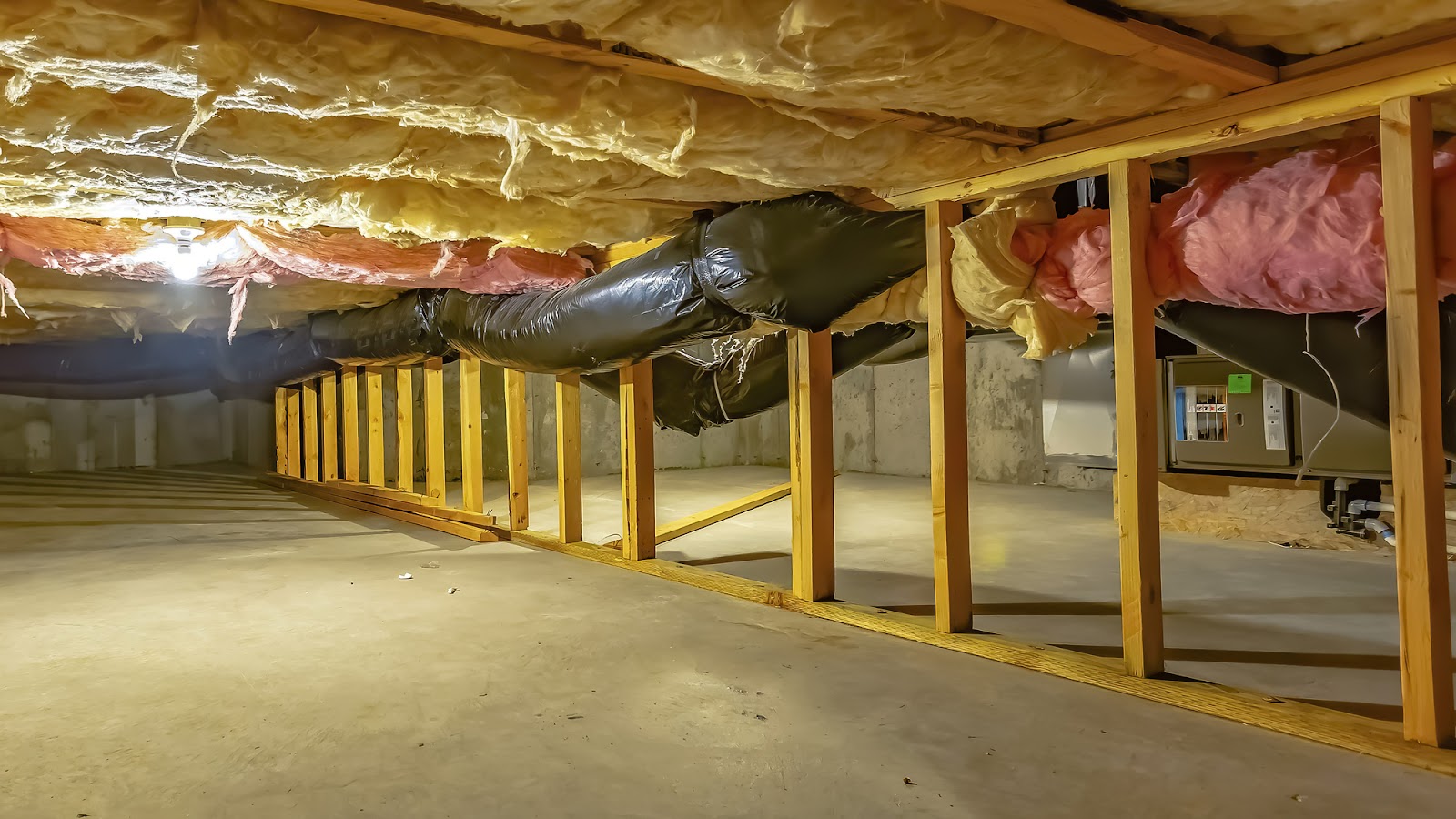
What is Crawl Space Waterproofing?
Crawl space waterproofing involves sealing and protecting the inside of your crawl space from moisture or water intrusion. Depending on the condition of your crawl space, this could involve installing a vapor barrier, sump pump system, drainage systems, and repairing cracks. These steps help keep moisture out of your crawl space, and reduces humidity levels to prevent mold and rot.
Our expert crew gets to work quickly. We’ll jackhammer 18 inches from the wall, dig a sloped trench, and install a rigid PVC pipe to move water to the sump pump. The pipe is surrounded by washed rock to prevent dirt from the trench infiltrating the system. Our patented Diamond Drainage Board guides water from the wall, across the footing and into the drainage field. The drain tile moves the water to the sump pit where it is pumped out through our Seamless Discharge Pipe. And of course we fit only industry-leading sump pumps with unbeatable warranties too – because peace of mind matters!
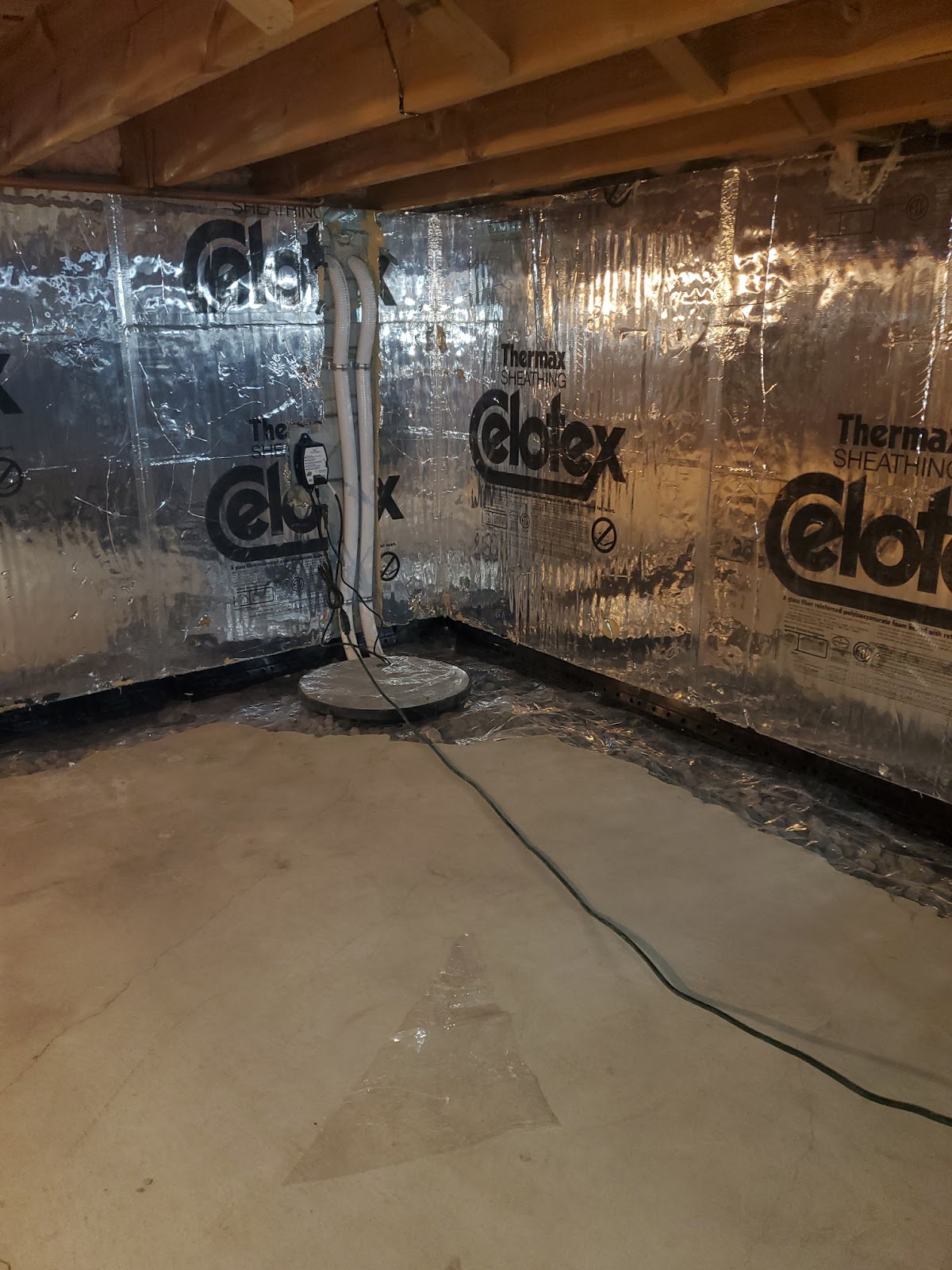
What is Crawl Space Encapsulation?
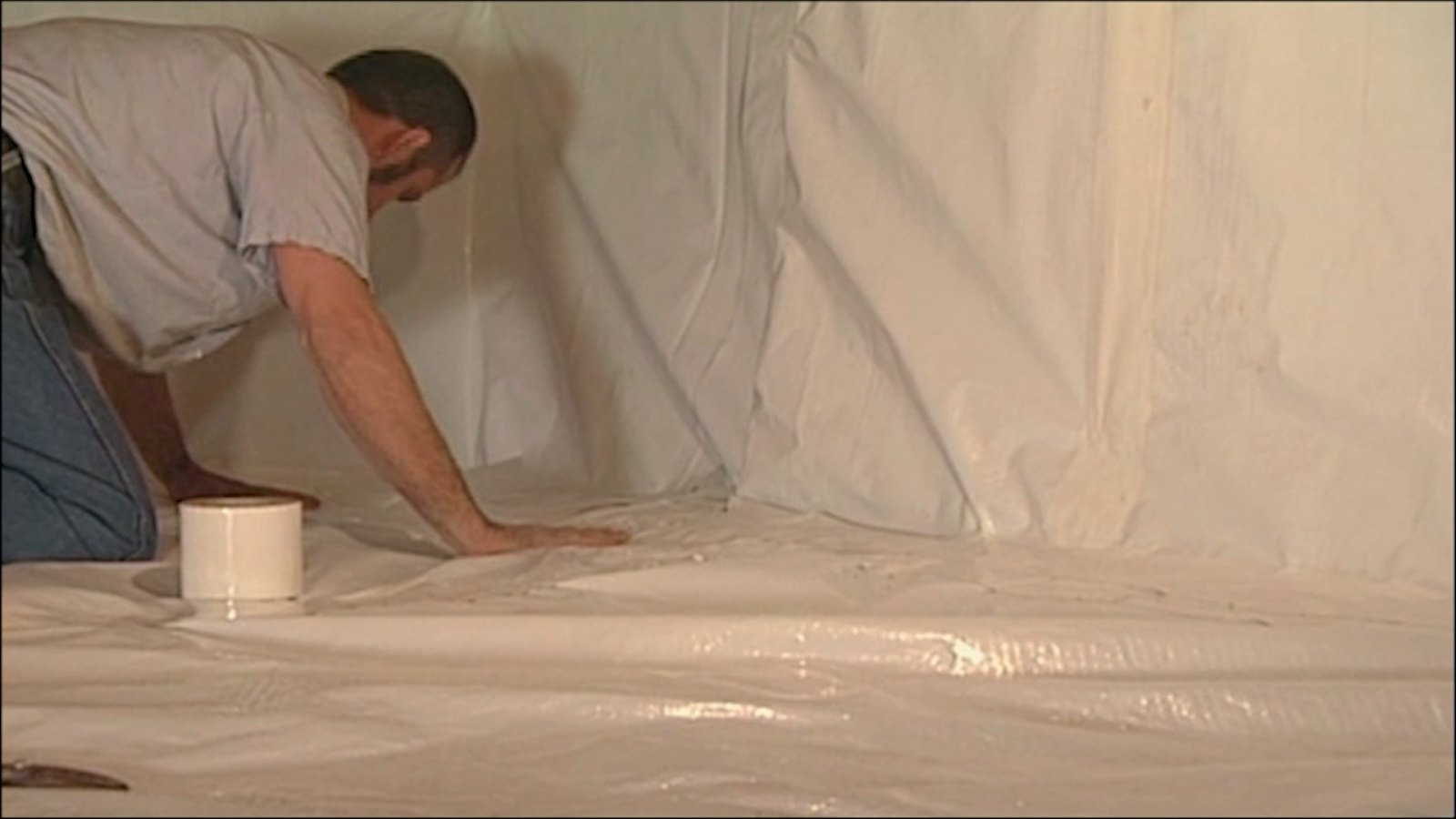
Crawl space encapsulation involves sealing off the entire area with a thick plastic liner. This helps keep dust mites, pollen, critters, and other pests out of the area. It also helps reduce energy costs by preventing cold air from entering through vents or small gaps in the walls. Additionally, crawl space encapsulation helps improve indoor air quality by keeping mold spores contained within the sealed environment.
Standard Water uses Diamond Brite Vapor Guard and heavy duty adhesives to ensure an airtight seal. The Diamond Brite Vapor Guard is puncture resistant, meets fire codes, and adds light to a formerly dark and dingy crawl space.
Why Should I Consider Crawl Space Waterproofing & Encapsulation?
Having your crawl space professionally waterproofed and encapsulated can be beneficial for both homeowners and your home’s overall health. Not only does it help protect structural elements from water damage but it also enhances energy efficiency. It also helps improve indoor air quality by reducing humidity levels in the area which can help prevent mold growth. Lastly, it prevents any critters or pests from entering your home through vents or small gaps in the walls which can save you money on repairs down the road (and a lot of headaches!).
Conclusion
Crawl space waterproofing and encapsulation are important services that every homeowner should consider investing in if they have a home with a crawlspace. The benefits include enhanced energy efficiency due to better insulation around foundation walls as well as improved indoor air quality by reducing humidity levels in the area which can help prevent mold growth. Plus it keeps critters and pests out of your home! Investing in these services now will save you time and money down the road so make sure to consider them if you own a house with a crawlspace!
Contact Standard Water today for a free, no obligation consultation or you can visit our website.
Crawl Space Waterproofing FAQs
How Much Does Crawl Space Waterproofing Cost?
The cost of crawl space waterproofing varies depending on the size and condition of the crawl space and the type of moisture problem being addressed. A project may involve drainage, a sump pump, foundation crack repairs, a vapor barrier, or other moisture-control measures. Because every crawl space is different, the best way to determine the cost is to have the space professionally inspected and receive a detailed recommendation based on its specific needs.
Do Crawl Space Vents Need to Be Sealed?
In many crawl spaces, sealing vents is an important part of creating a controlled environment, particularly when the goal is to encapsulate the space. Open vents can allow humid outdoor air, moisture, and pests to enter the crawl space. Whether vents should be sealed depends on the home’s construction, climate, and overall moisture-control strategy. A professional should evaluate the crawl space and determine how ventilation should be handled as part of the larger waterproofing or encapsulation system.
Does a Crawl Space Need a Dehumidifier After Encapsulation?
Not every crawl space requires a dehumidifier, but humidity control can be an important part of a successful encapsulation system. Encapsulation helps limit moisture entering from the ground and outside air, while a crawl-space-rated dehumidifier can help control humidity that remains inside the sealed space. Whether one is necessary depends on factors such as the crawl space’s moisture levels, climate, drainage, and overall design. A professional assessment can determine whether dehumidification is appropriate.
How Long Does Crawl Space Waterproofing Take?
The time required to waterproof a crawl space depends on its size, accessibility, existing water damage, and the type of waterproofing system needed. A straightforward project may take considerably less time than one involving extensive drainage work, sump pump installation, foundation repairs, or cleanup. A professional inspection can determine the scope of work and provide a more accurate timeline for your home.